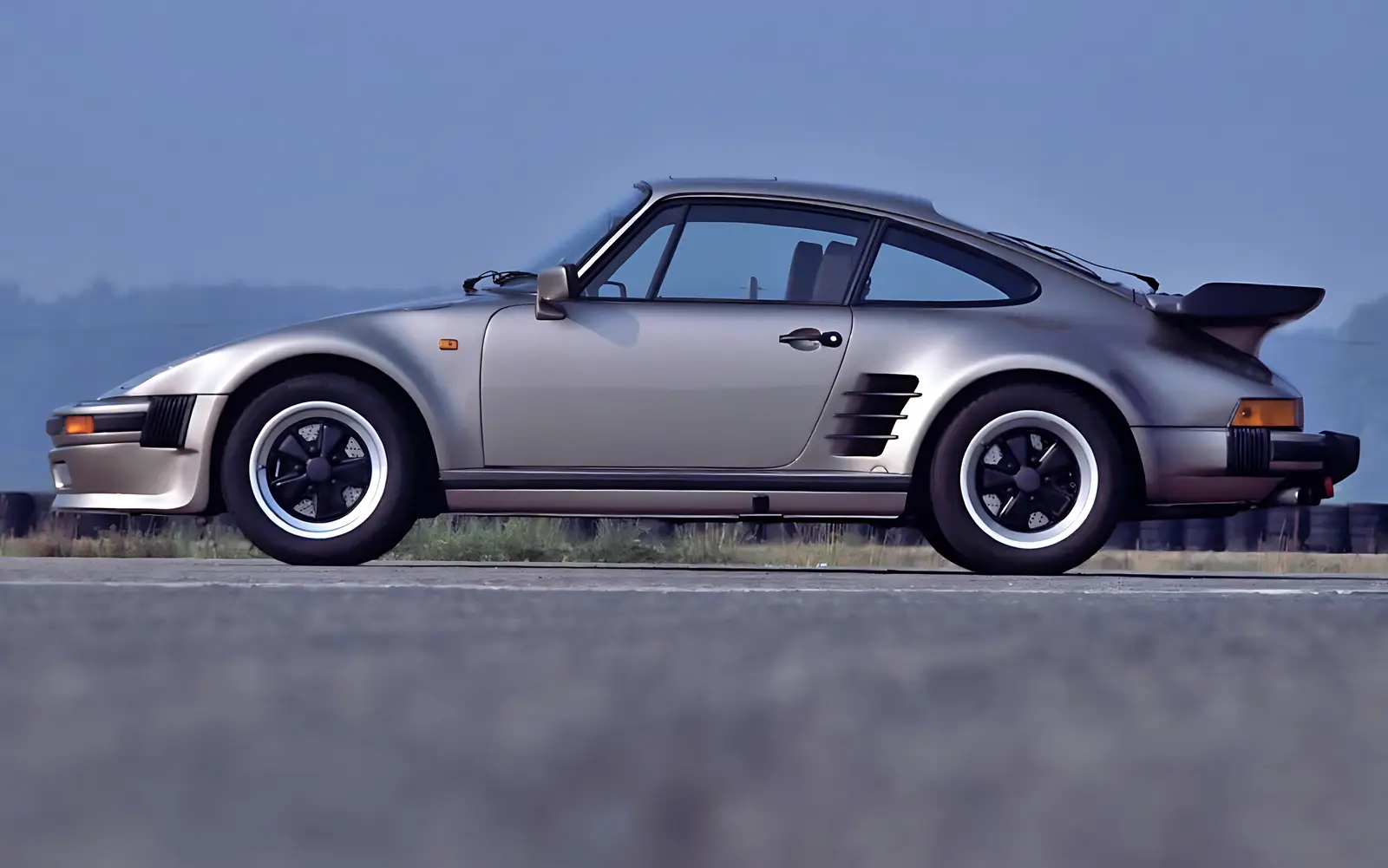
Slant Nose Porsche: History Of The Flachbau - Storyboard
20 photos
& 1 videos
-

-
-
-
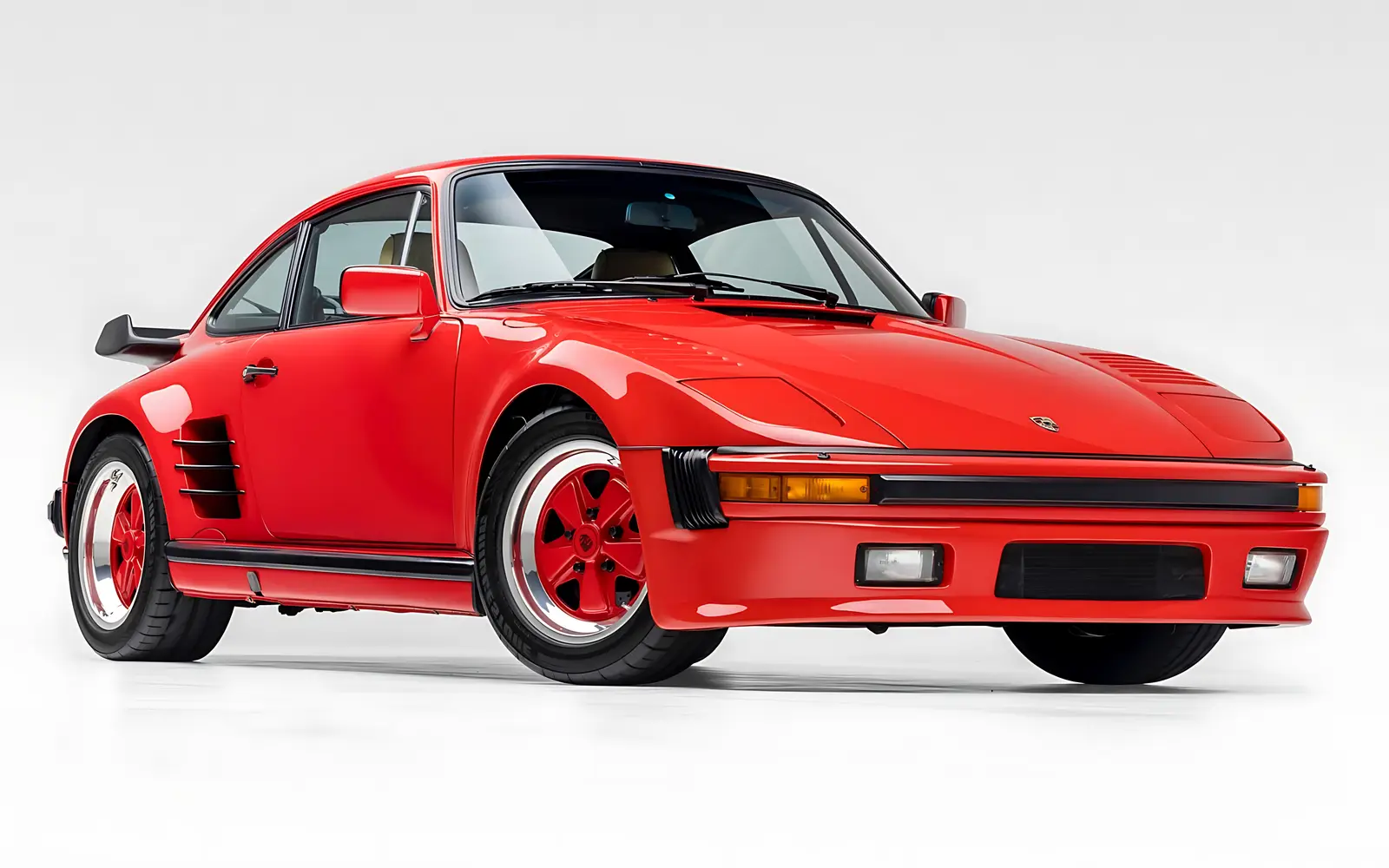
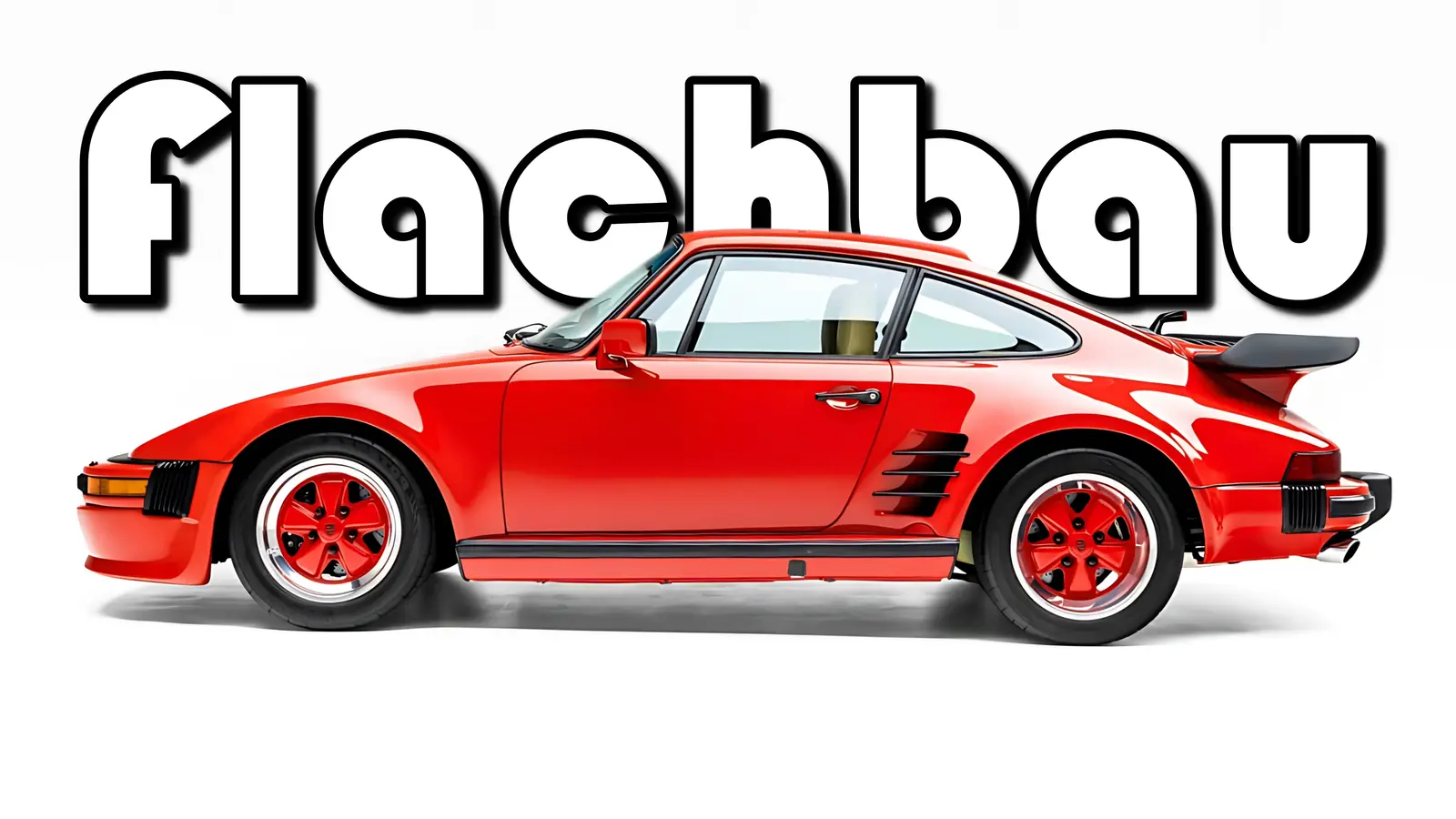
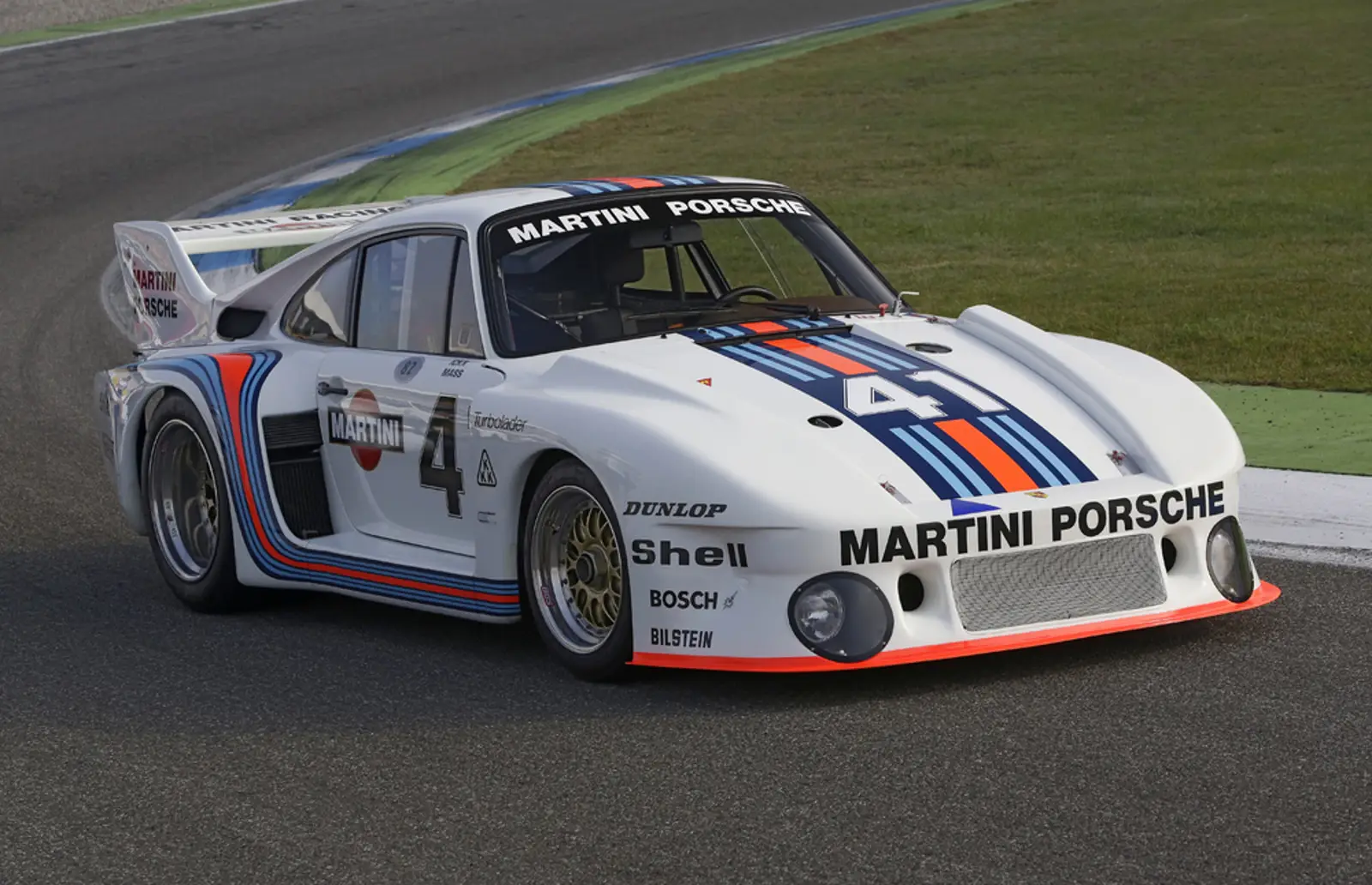
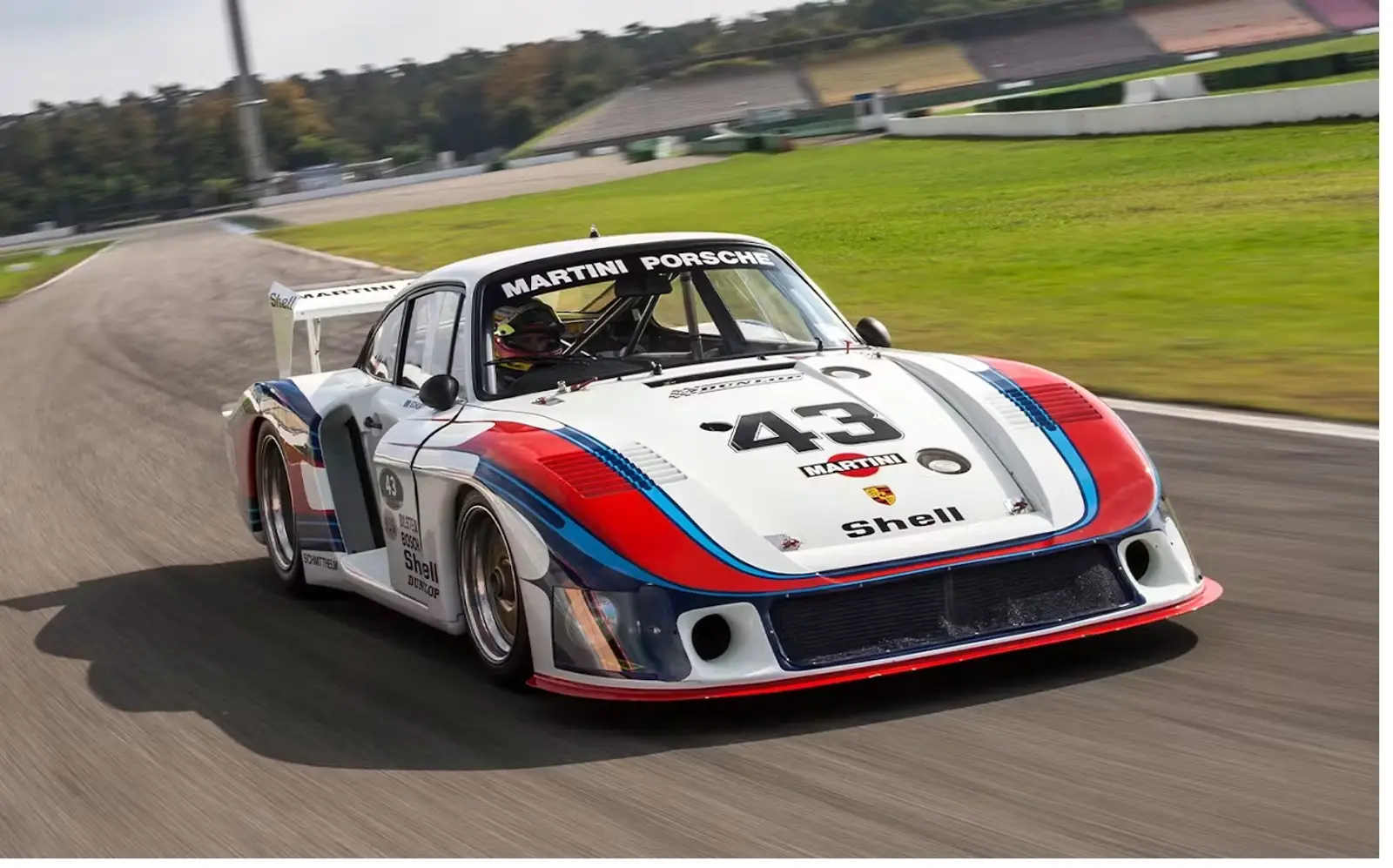
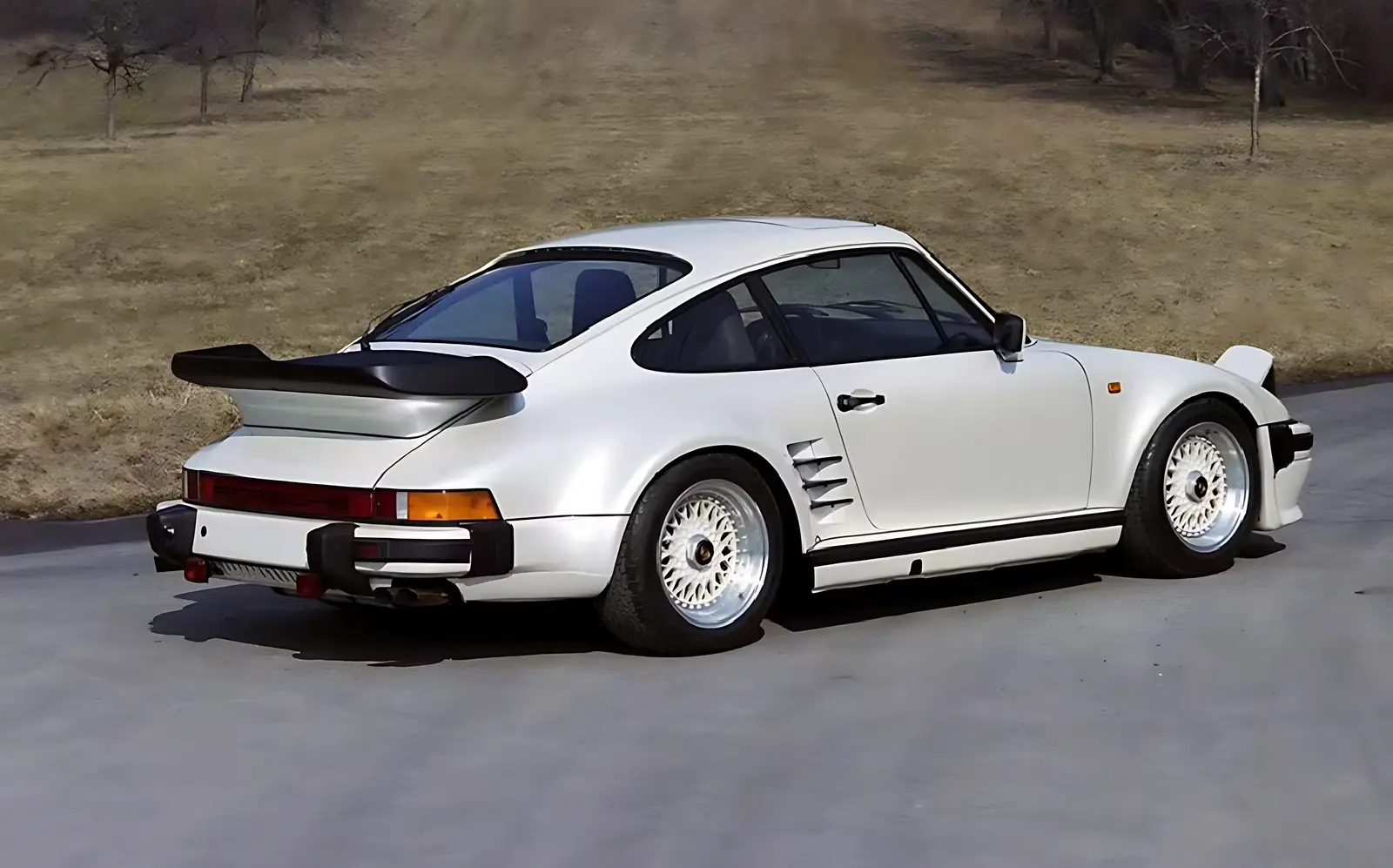
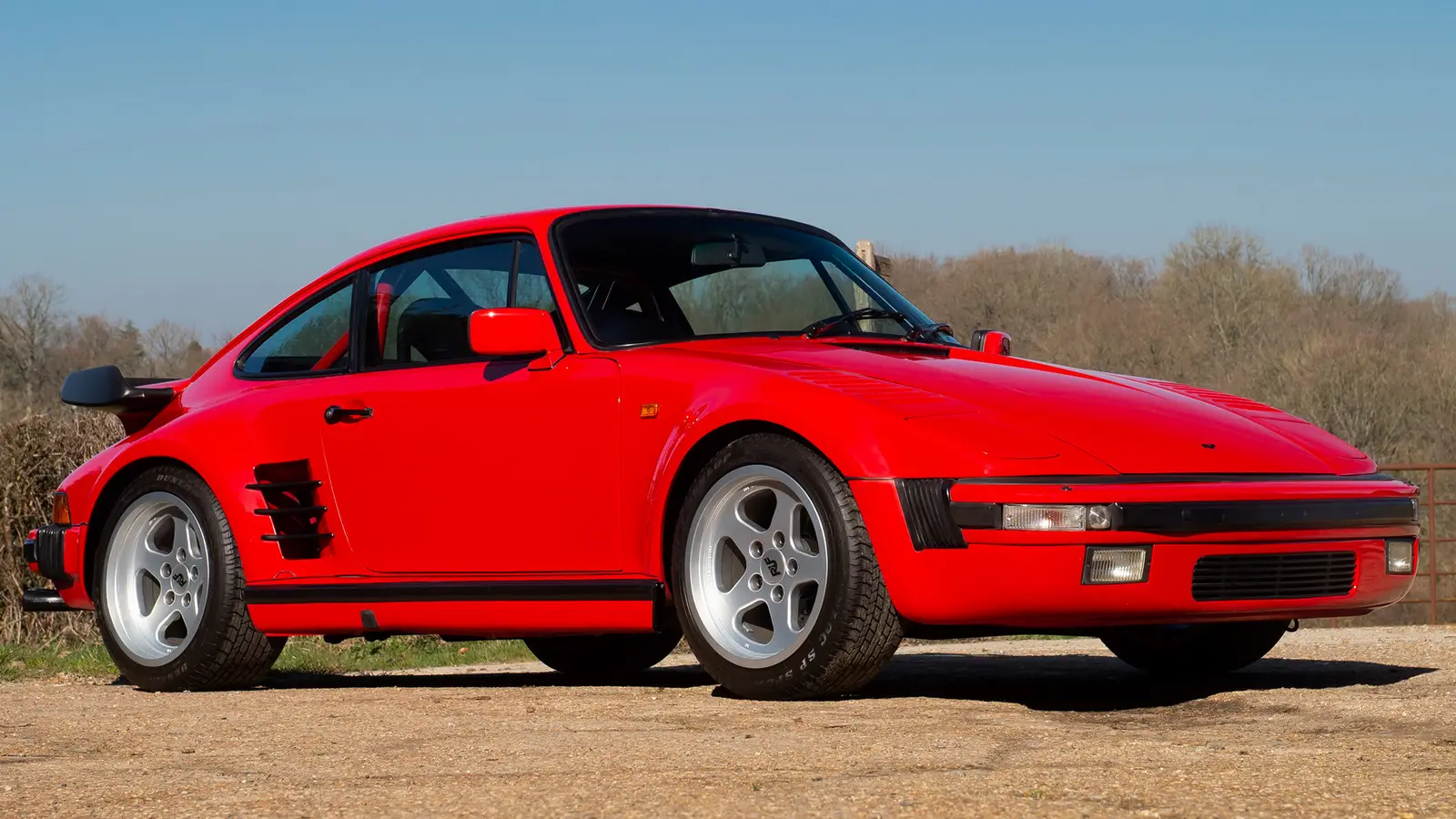
The Porsche Slant nose also known as "Flachbau” first appeared on the 930-based Porsche 935 race car in the late 1970s
-
The more aerodynamic front end improved downforce while making the car more slippery
-
The brainchild behind the Slant Nose was engineer, Norbert Singer, to which the famous Restomodder Singer Vehicle Design pays homage
-
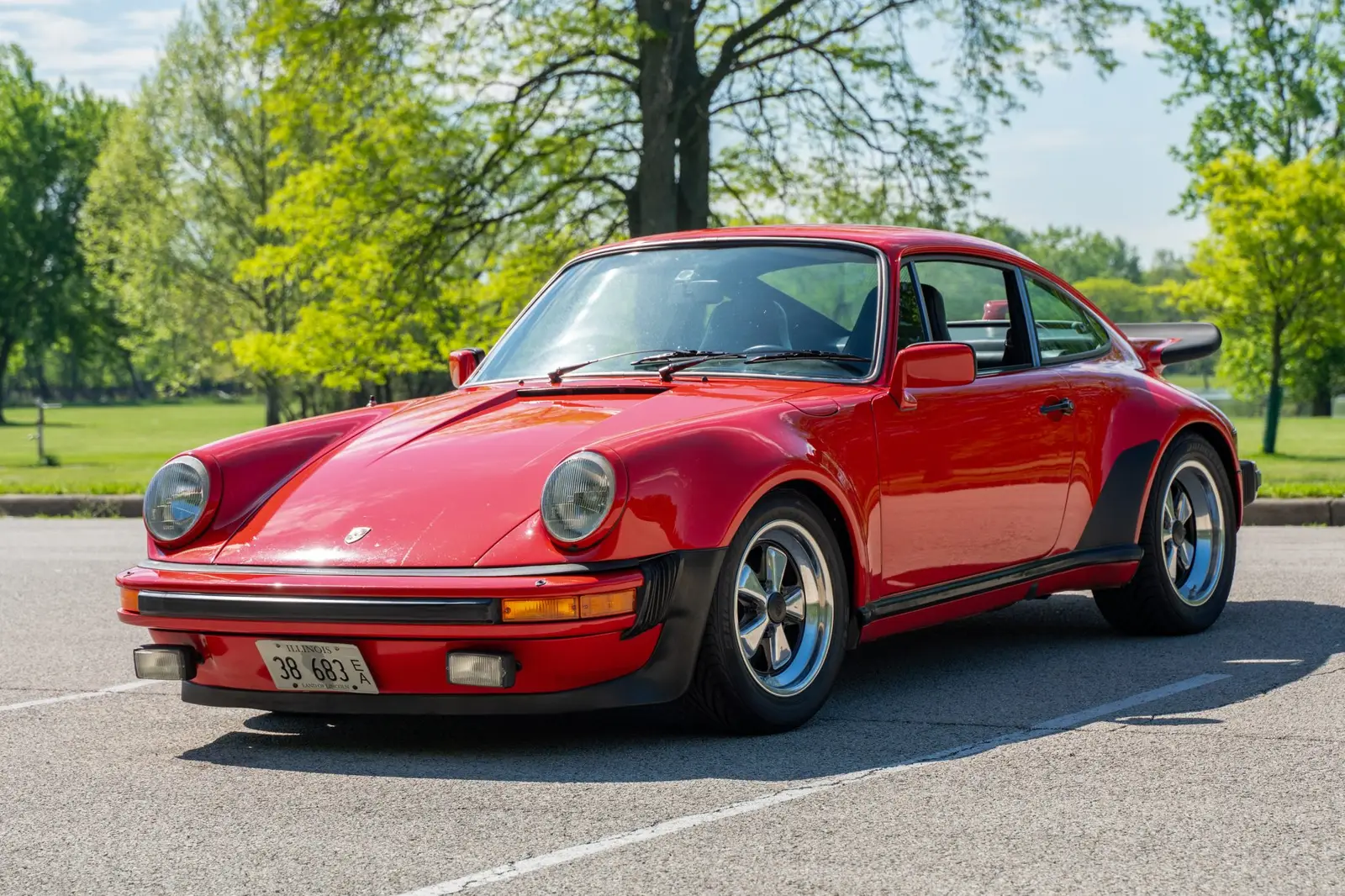
The regular 930 Turbo had terrible aerodynamics - around 0.50 Cd or coefficient of drag
-
The Slant Nose front-end improved the drag coefficient to 0.39 Cd
-
The first road-going slant-nose Porsche was the one-off 935 Street
-
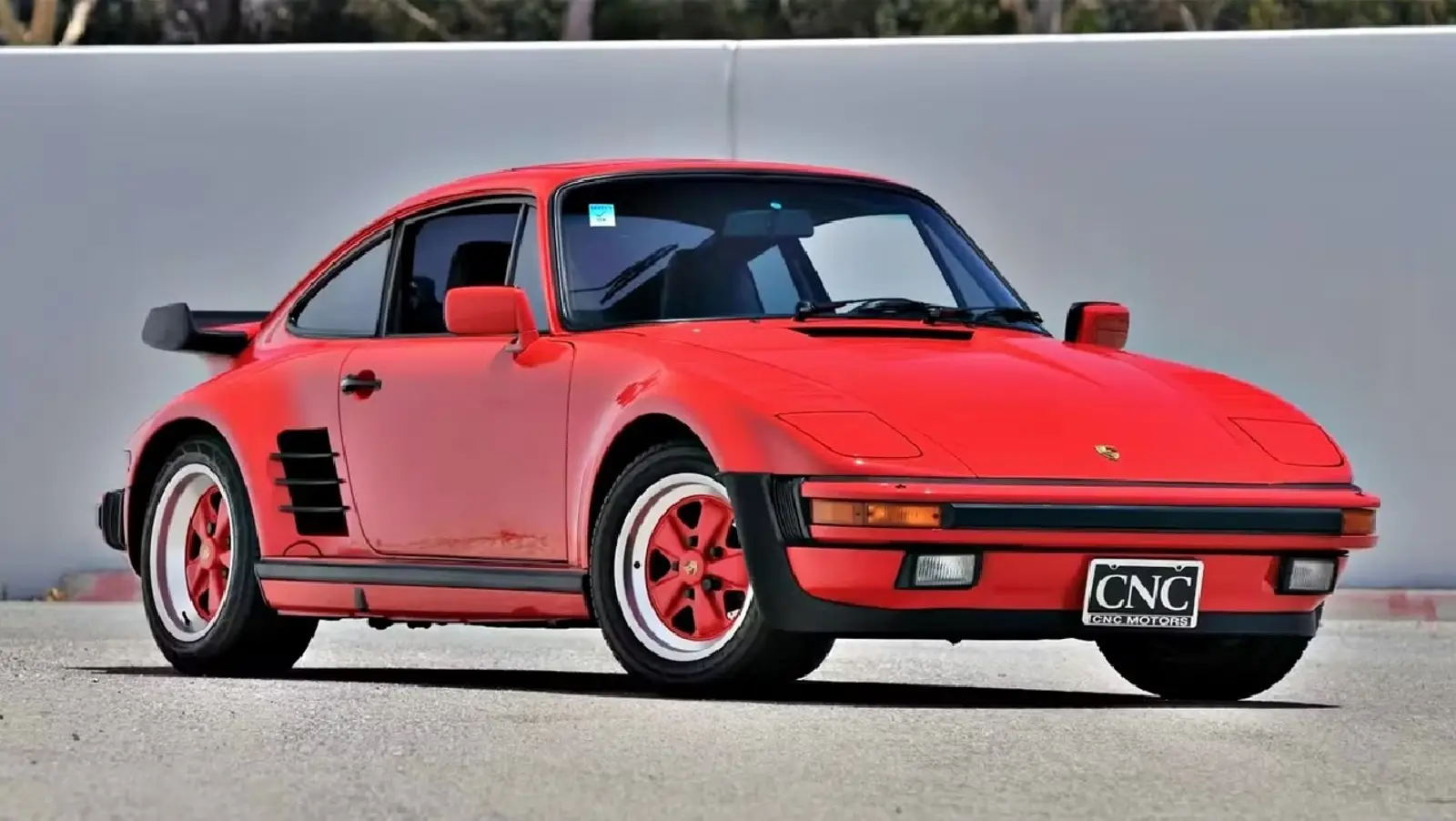
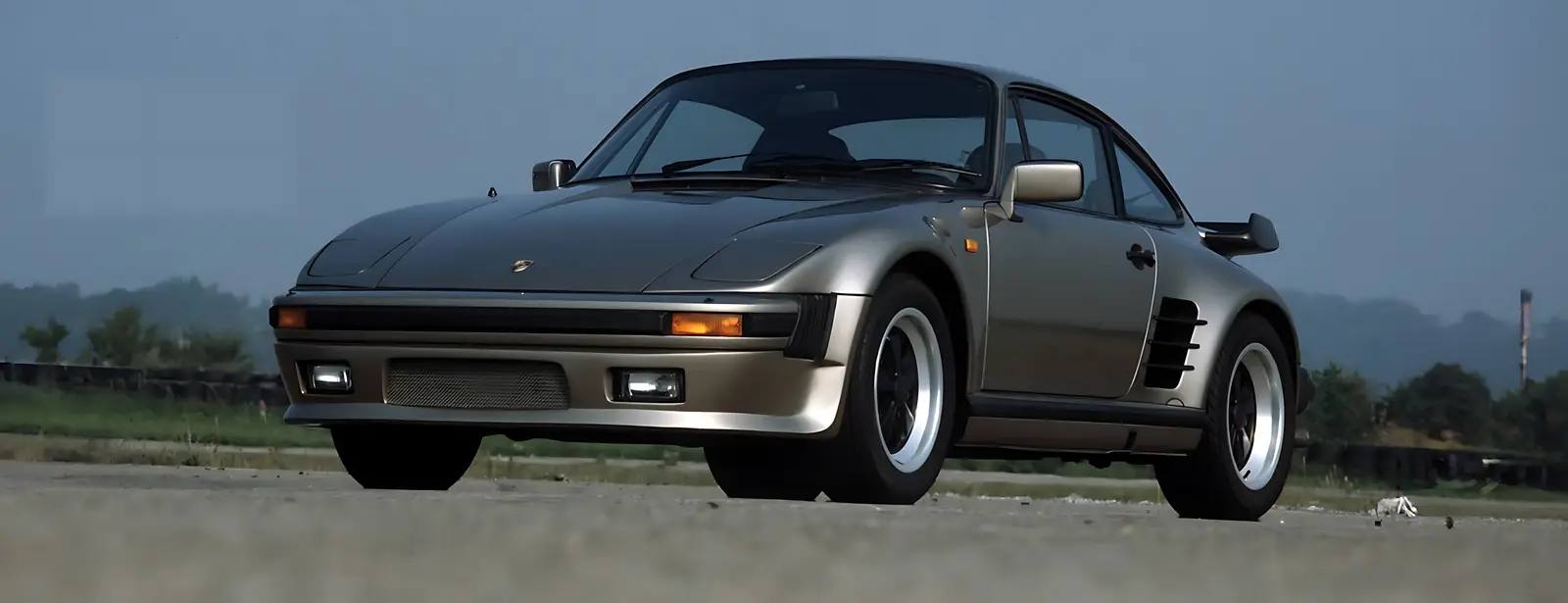
The "Flachbau" first became an option for the Porsche 930, in 1982
-
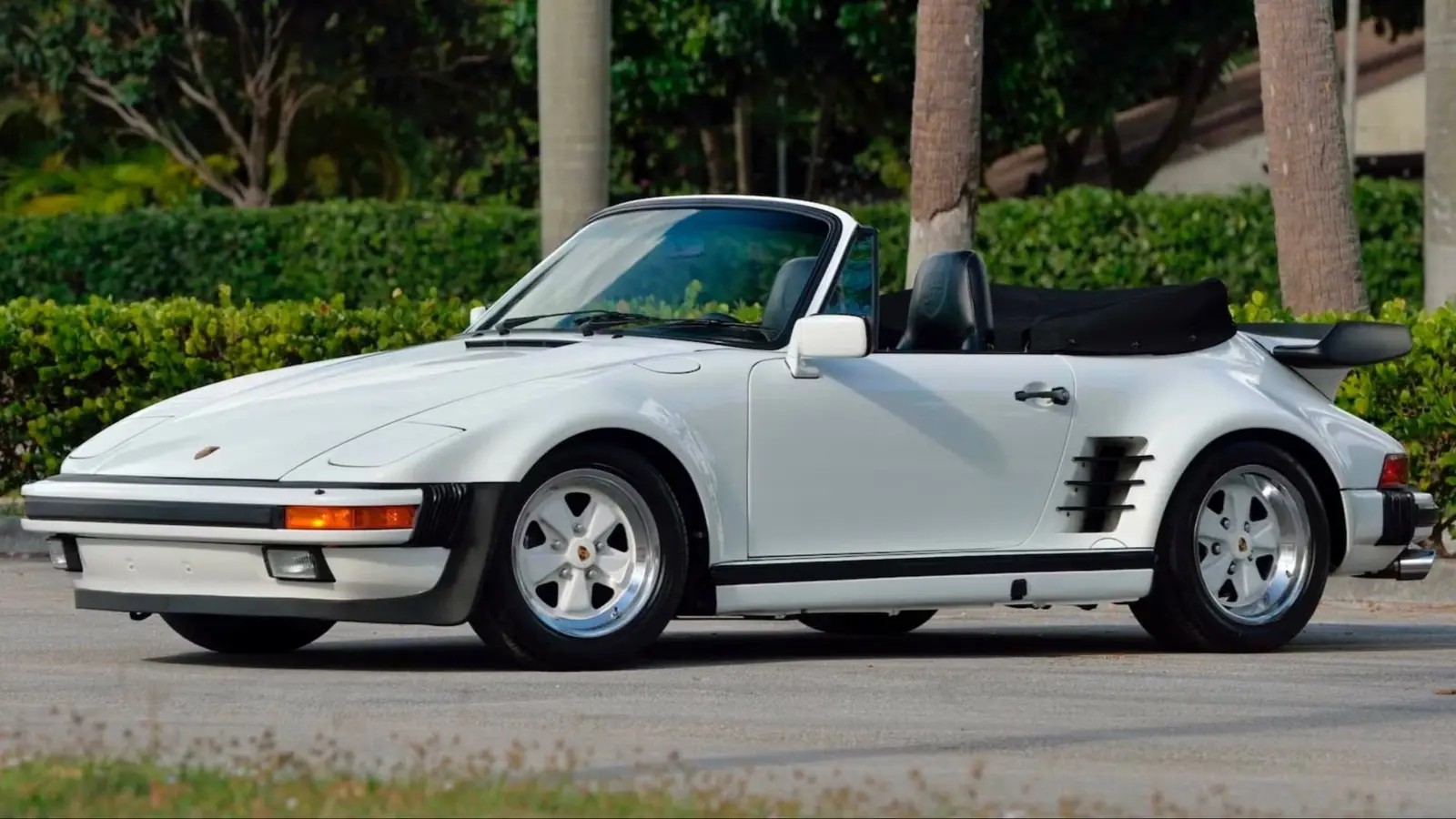
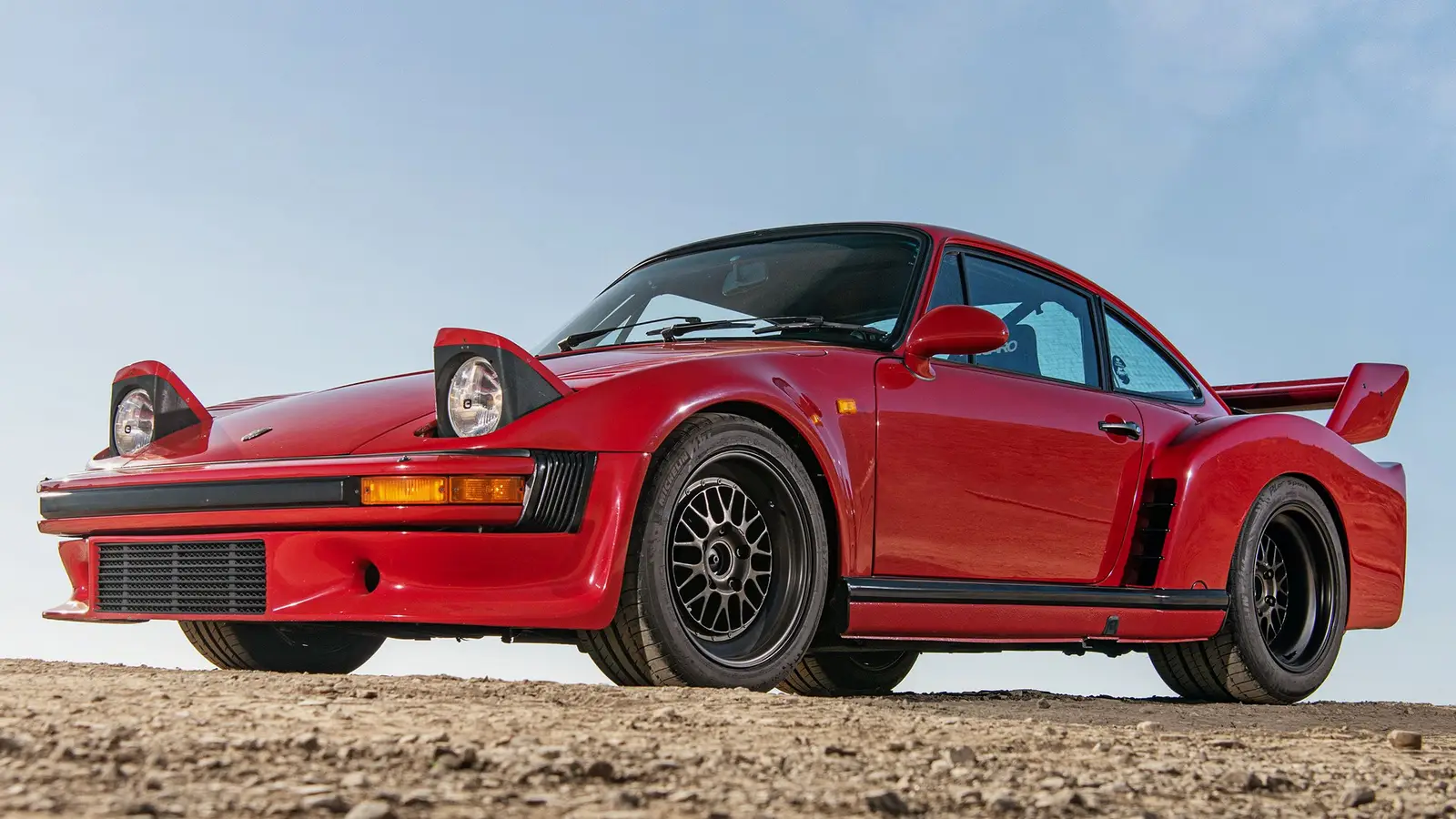
The 930 Slantnose is the only Porsche 911 to feature factory pop-up headlights
-
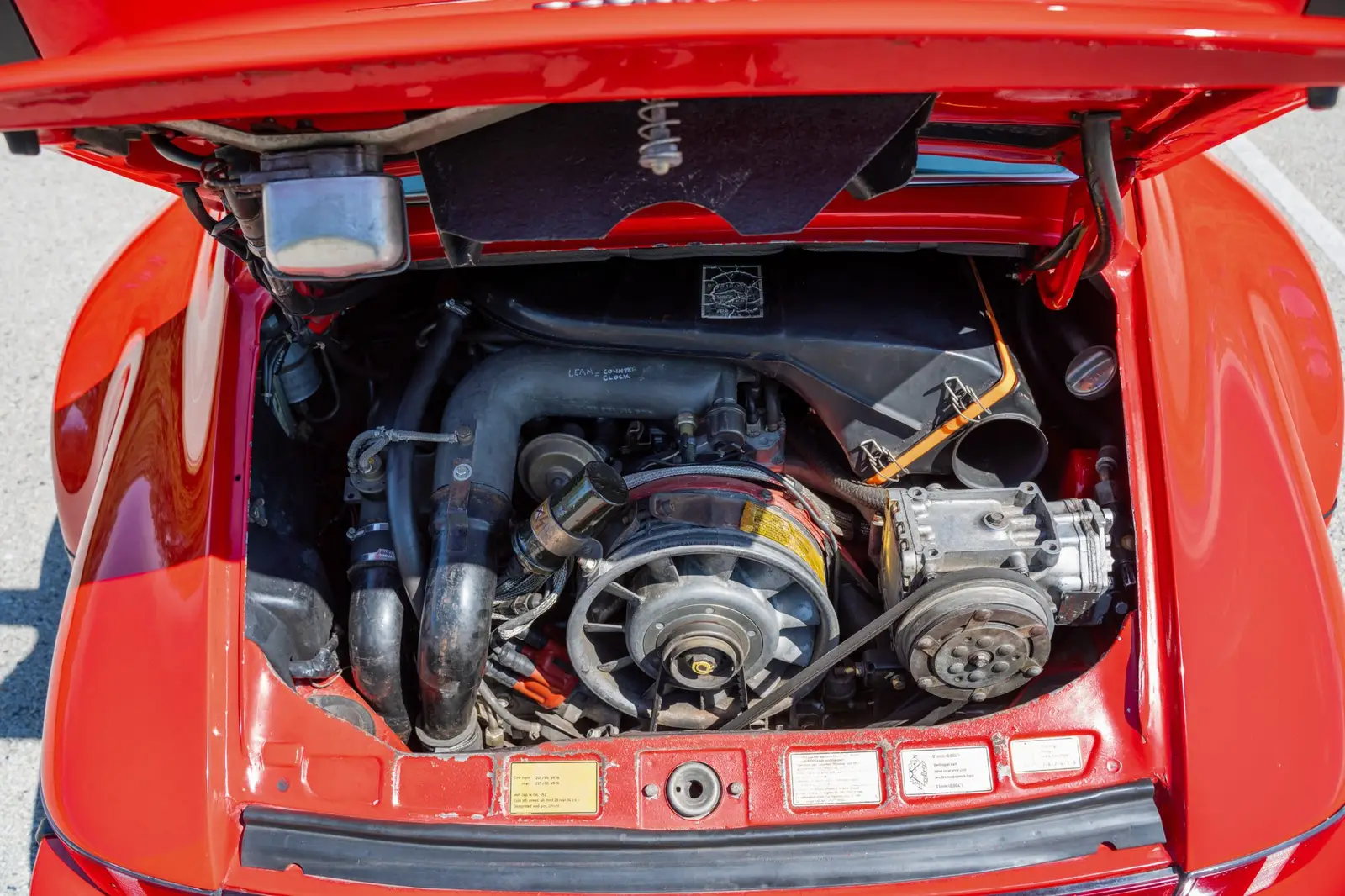
Slant-nose 930s did not feature engine upgrades and retained the stock 326 horsepower and 318 pound-feet of torque
-
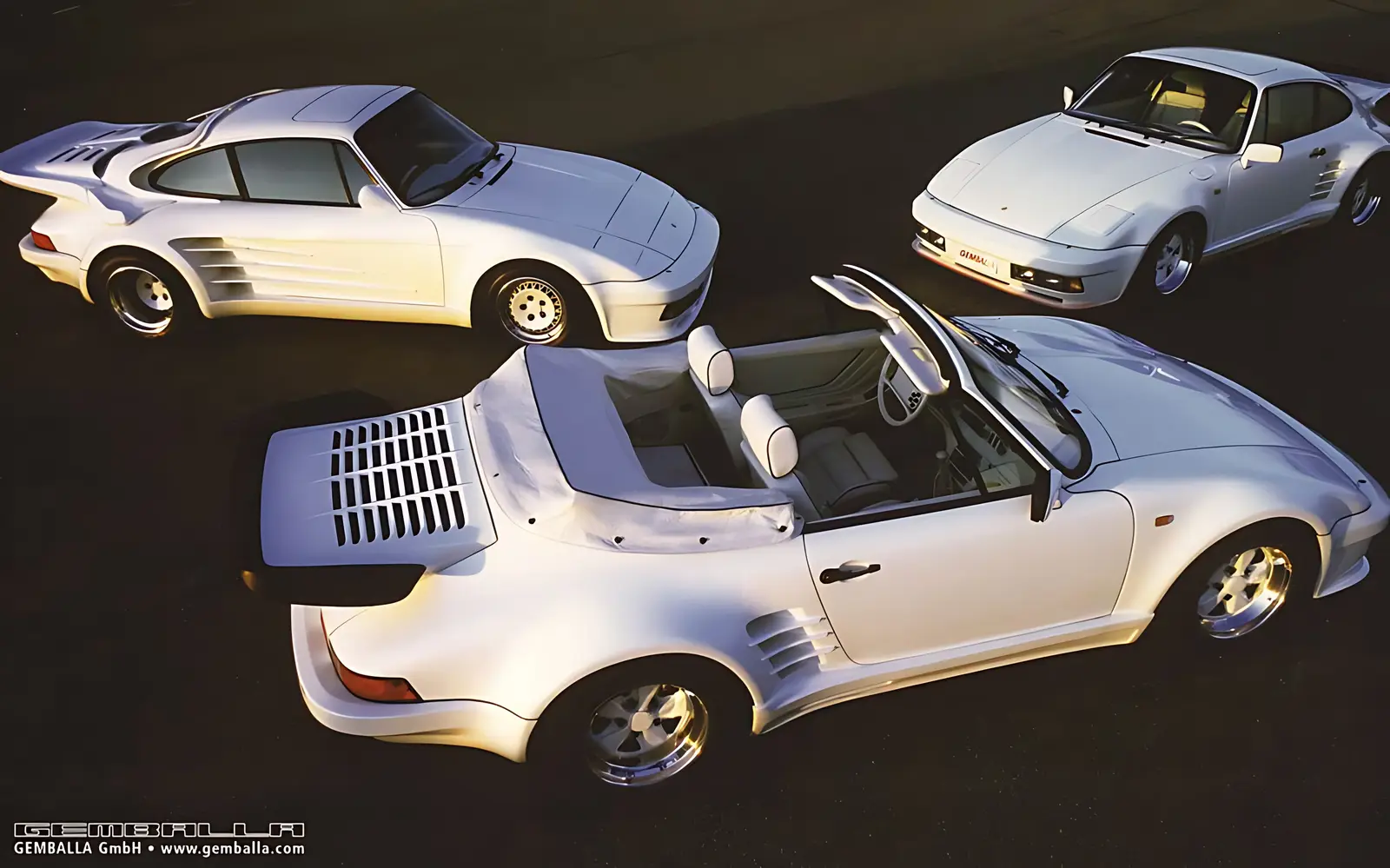
The Porsche slant nose, was available, not just for the coupe, but also for the cabriolet and Targa body styles
-
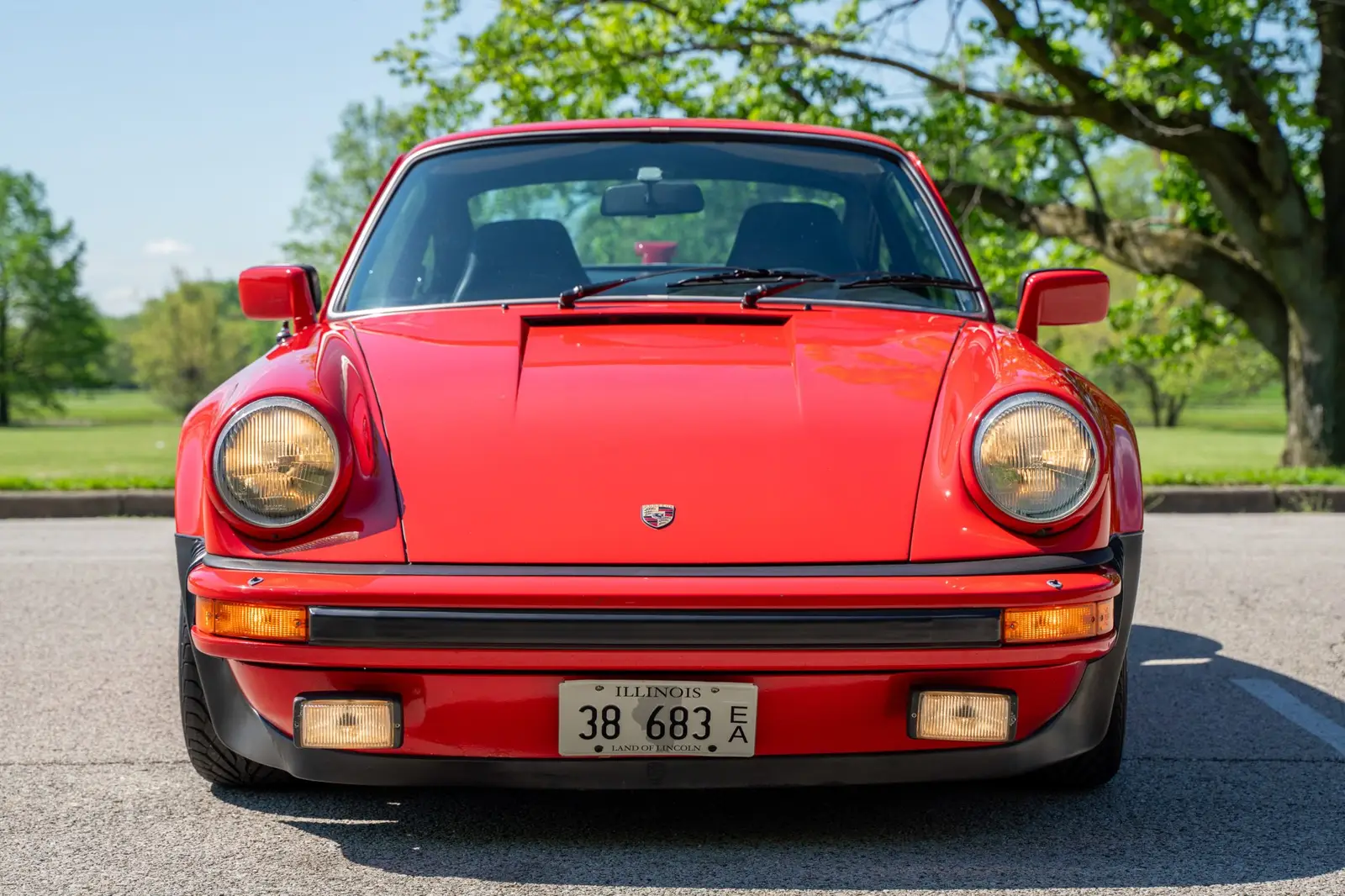
But despite the inherent advantages of the Slant Nose front-end, over 95 percent of all Porsche 930 Turbos built, were ordered with the regular front-end
-
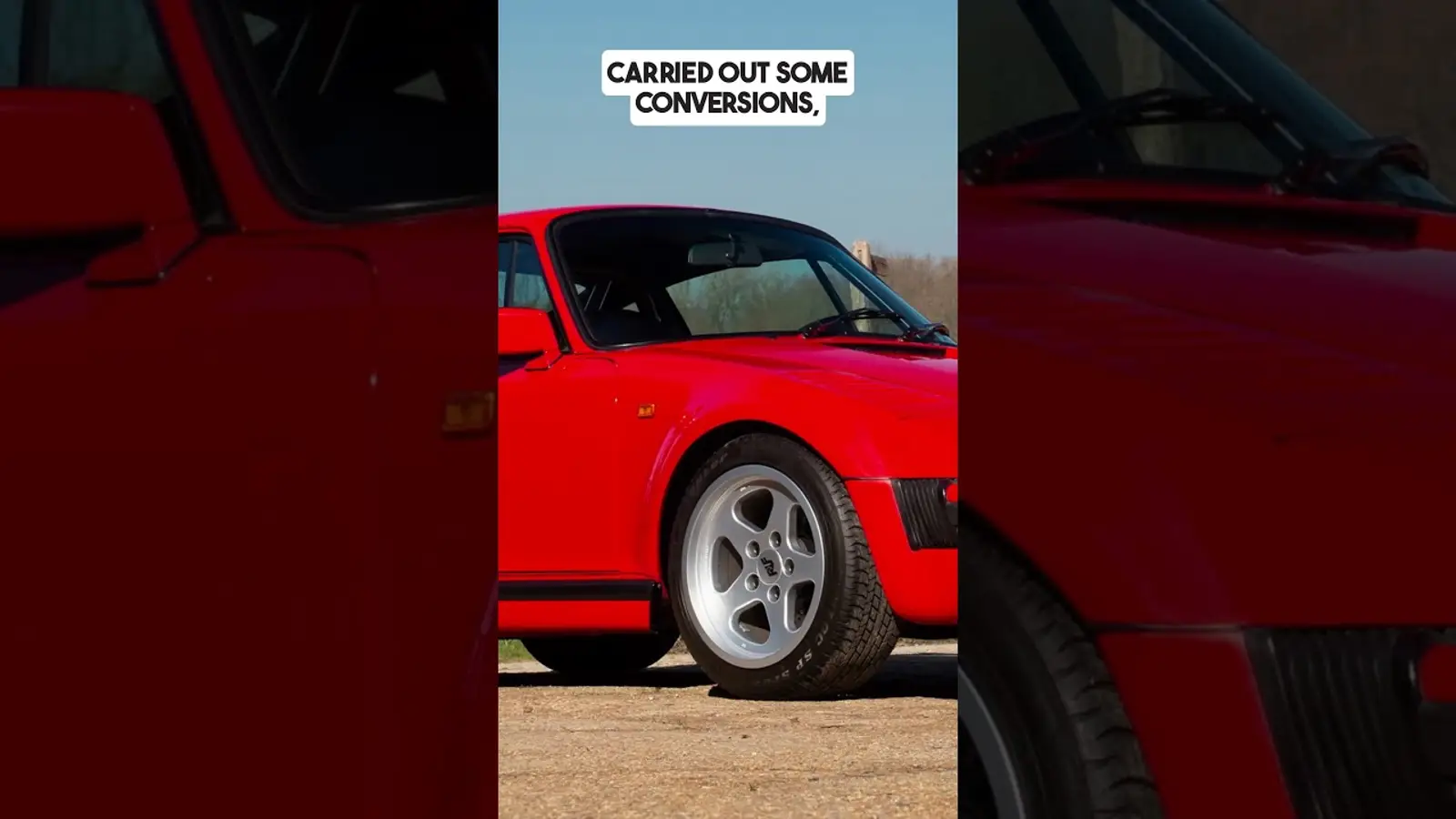
Additionally, German tuner RUF reportedly carried out some conversions, but they are believed to have been factory slant-nose 930, dubbed the RUF BTR III
-
This also included the likes of the 1984 RUF 935 RSR
-
Another super-rare Slant nose model is the 3.6 Turbo S Flachbau, based on the 964 chassis. Only 76 were built, with only 39 imported Stateside
-
The Gemballa Avalanche Turbo, seen here was an even more extreme expression of the Slantonose 930
-
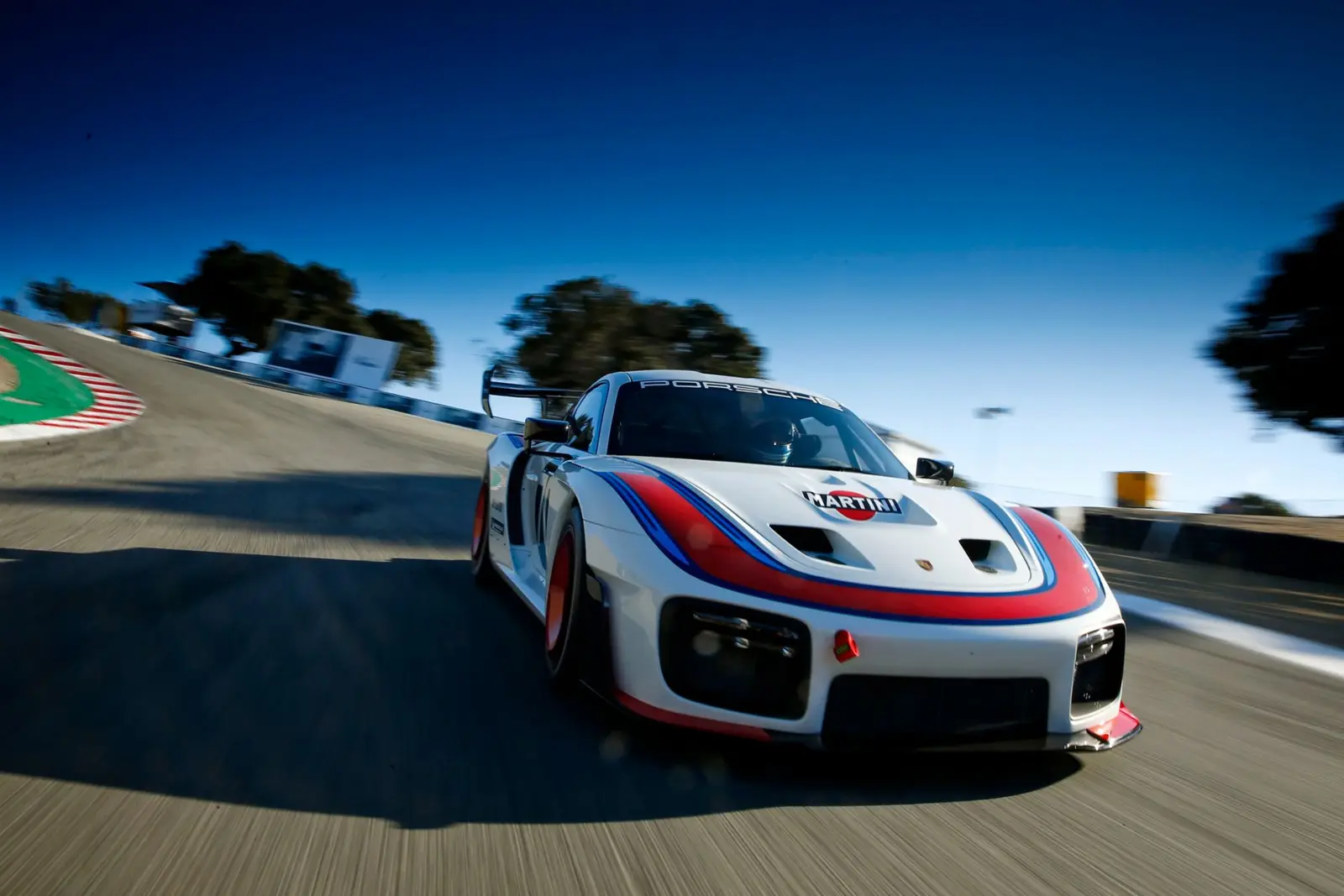
In more recent times, 2019 to be more specific, Porsche revived the Slant Nose name once, this time with the 991.2-based Porsche 935
-
Production was limited to just 77 examples and its not road-legal
-
If you want to find out more about the history and current valuations of the Porsche slant nose, swipe up.